
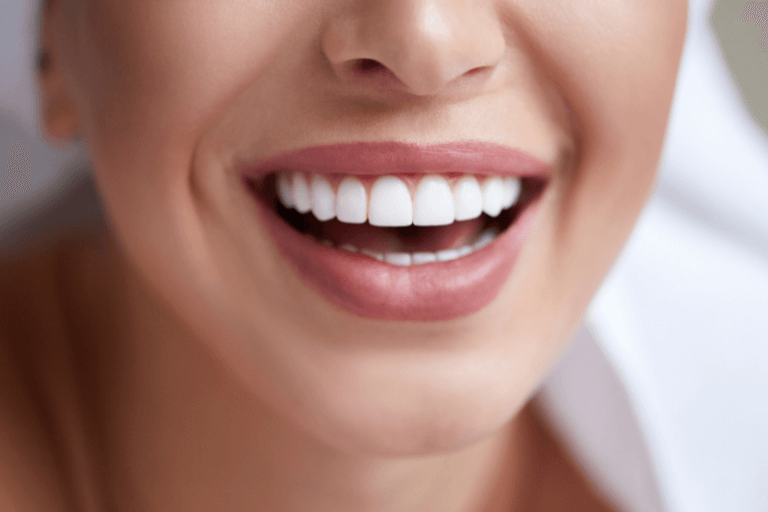
A brighter smile is one of the most common cosmetic dental goals. With so many teeth whitening
options now available, it can be difficult to know which method delivers the best results. From
professional treatments carried out in a dental practice to over-the-counter kits used at home, each
approach promises whiter teeth, but the outcomes can vary significantly.
For patients in Carnforth and Lancaster considering teeth whitening, understanding the differences
between professional whitening and at-home kits can help set realistic expectations and support
safer, more effective decision-making.
Why Teeth Become Discoloured
Tooth discolouration is a natural process that can happen gradually over time. Everyday habits such
as drinking tea, coffee, red wine, or smoking can stain the enamel. Age also plays a role, as enamel
thins over time, allowing the darker dentine beneath to show through.
Certain medications, previous dental treatments, and trauma to the teeth can also contribute to
changes in colour. Teeth whitening works by breaking down these stains, but the effectiveness of
treatment depends on how the whitening agent is delivered and controlled.
What Is Professional Teeth Whitening?
Professional teeth whitening is carried out under the supervision of a dental professional. The
treatment uses clinically approved whitening agents at safe but effective strengths, allowing stains to
be lifted more efficiently while protecting the teeth and gums.
Depending on the approach used, whitening may be completed in the dental practice, at home using
custom-made trays, or as a combination of both. The process is tailored to the individual, ensuring
consistent results and minimising the risk of sensitivity or irritation.
How At-Home Whitening Kits Work
At-home whitening kits are widely available online and in shops. These typically include whitening
strips, gels, pens, or generic trays. While they may appear convenient and affordable, they oftencontain lower-strength whitening agents to comply with safety regulations.
Because these kits are not customised, they may not fit securely against the teeth. This can lead to
uneven whitening or allow the gel to come into contact with the gums, increasing the risk of irritation.
Comparing Results: Professional Whitening vs At-Home Kits
One of the most noticeable differences between professional whitening and at-home kits is the quality
of results. Professional treatments are designed to deliver a more even and longer-lasting shade
improvement. Because the whitening process is planned and monitored, results are more predictable
and controlled.
At-home kits may produce some improvement, particularly for mild staining, but the results are often
less dramatic and may fade more quickly. Uneven whitening is also more common, especially when
trays or strips do not sit properly against the teeth.
Safety and Tooth Sensitivity
Safety is an important factor when choosing a whitening method. Professional whitening is carried out
following a full dental assessment, ensuring that the teeth and gums are healthy before treatment
begins. This reduces the risk of complications such as gum irritation or increased sensitivity.
At-home kits do not include professional oversight. Whitening teeth that have untreated decay, gum
disease, or enamel damage can lead to discomfort and further problems. Sensitivity is also more
likely if products are overused or applied incorrectly.
How Long Do Whitening Results Last?
The longevity of whitening results depends on lifestyle habits and oral hygiene. Professional
whitening tends to last longer because deeper stains are more effectively removed. With good
aftercare, results can be maintained for many months or longer.
At-home kits may require more frequent use to maintain results, which can increase the risk of
sensitivity over time. Without guidance, some people may overuse whitening products in an attempt
to achieve better results.
Teeth Whitening Cost Considerations
At-home whitening kits often appear cheaper at first glance. However, repeated use and inconsistent
results can reduce their overall value. Professional whitening may involve a higher initial cost, but the
quality, safety, and durability of results often make it a worthwhile investment for many patients.
A dental consultation also ensures that whitening is the most appropriate cosmetic option, as some types of discolouration may not respond well to whitening alone.
Who Should Avoid Teeth Whitening?
Teeth whitening is not suitable for everyone. Patients with gum disease, untreated cavities, or very
sensitive teeth may need to address these issues before considering whitening. Whitening also does
not change the colour of crowns, veneers, or fillings, which may affect overall appearance.
Professional advice ensures that expectations are realistic and that the most suitable treatment is
chosen.
Making the Right Choice for a Whiter Smile
For patients in Carnforth and Lancaster looking to improve the appearance of their smile, professional
teeth whitening offers a safe, controlled, and effective solution. While at-home kits may provide mild
improvements, professional treatment is more likely to deliver noticeable, even, and longer-lasting
results.
Choosing the right whitening option starts with understanding the condition of the teeth and seeking
professional guidance. This ensures both the health of the teeth and the quality of the final result are
prioritised.